
Sequences, Potions & the Acting Method Explained
How character progression works in Lord of Mysteries — pathways of ten sequences, brewing advancement potions from formulas and ingredients, and digesting them through the acting method.
Updated July 5, 2026
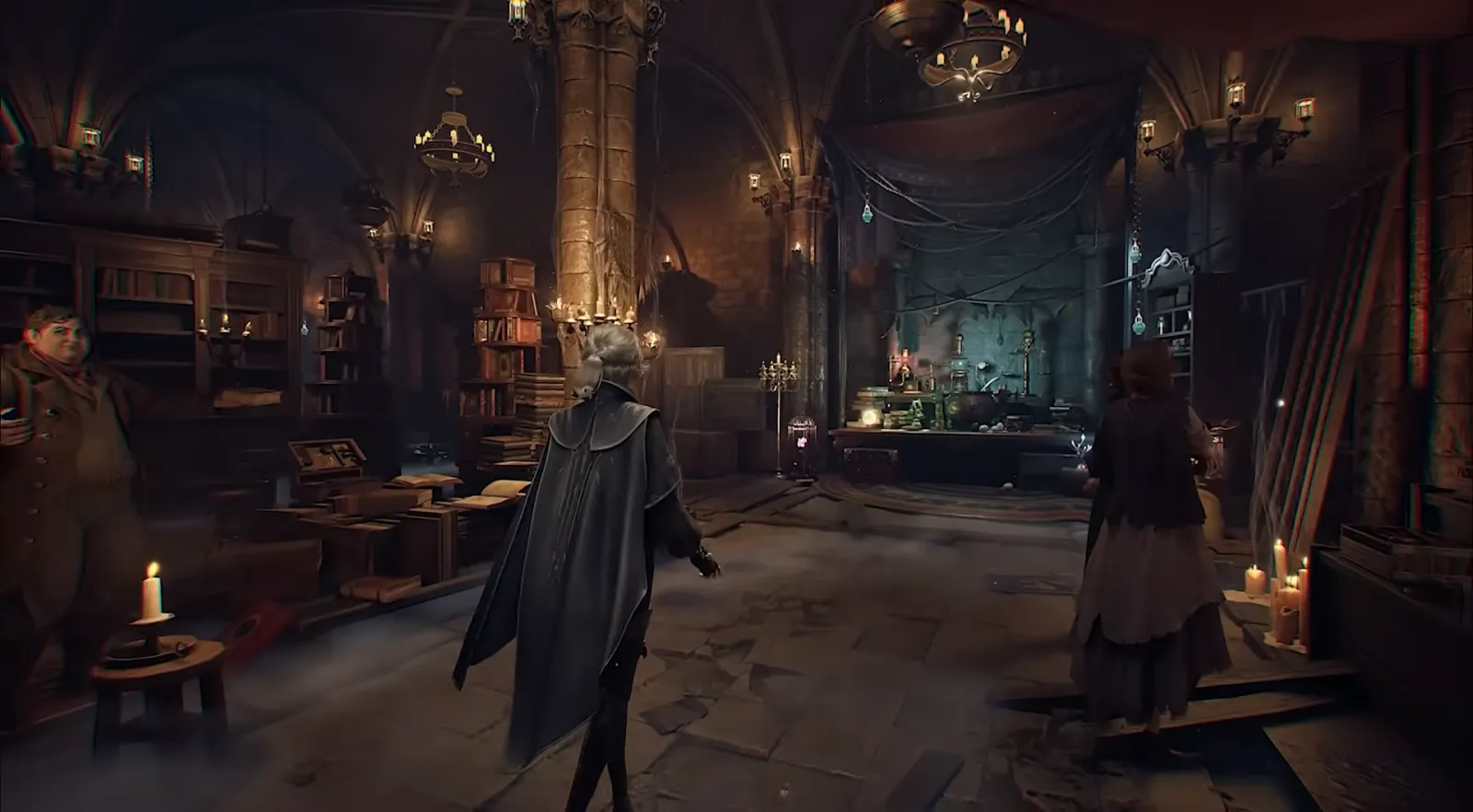
Lord of Mysteries doesn’t have levels-and-classes progression in the usual sense. It has the novel’s system, implemented almost literally: pathways, sequences, potions and acting.
Pathways and sequences
Every Beyonder belongs to a pathway — a themed chain of supernatural occupations. Each pathway has ten sequences, numbered 9 (weakest) down to 0 (a god). Your sequence is simultaneously your power level, your skill kit and your identity: a Sequence 9 Seer doesn’t just have divination spells, they’re expected to behave like a fortune-teller.
The novel’s world has 22 pathways; the game has confirmed six playable so far (full breakdown here). The developers use the full 22-pathway framework in the game’s worldbuilding, so more are widely expected post-launch.
Potions: the advancement item
To climb from one sequence to the next you need that sequence’s potion, and a potion needs:
- The formula (配方) — found, earned or traded. Formula hunting is a real gameplay loop: quest rewards, faction favor, exploration finds and the player economy all feed it.
- The main ingredient — typically a Beyonder characteristic or creature material tied to the target sequence.
- Supplementary ingredients — herbs, minerals and reagents gathered or bought (the apothecary shops of Tingen are not set dressing).
Brew it, drink it — and then the real work starts.

The acting method (扮演法)
Drinking a potion gives you power you don’t yet control. In the novel, Klein’s great insight is that acting out the role of your sequence name digests the potion and stabilizes the power — and the game builds this in as a core mechanic.
Officially described behavior: after advancing, you complete acting objectives that match your sequence’s role — and they’re deliberately varied. Some are combat tasks, some are entirely non-combat; some need other players, some are solo. A Seer might read fortunes for strangers; a Bard performs; a Warrior stands between people and danger. Fulfil the role, digest the potion, and the next advancement — and its ritual — unlocks.
Two warnings straight from the source material that the game repeats:
- Rushing potions without acting risks losing control. In a game with a sanity system and permanent consequences, that’s not flavor text.
- Advancement is gated by ceremony. Higher sequences require proper rituals at the right time and place, not just materials in a bag.
Why this matters for how you’ll play
The acting method quietly redesigns MMO progression incentives. Your “XP grind” is partly roleplay: the game rewards doing in-character things in the open world — divining, performing, investigating, protecting — rather than only clearing combat content. It’s the mechanical spine behind the game’s claim that combat, exploration, leisure and story are all “real” progression content.
Based on official system reveals and CN beta coverage (Tencent Games news, GamerSky, TapTap dev posts) as of July 5, 2026. Exact numbers, costs and pacing may change before launch.